


 Pristupačnost
Science is not confined to laboratories, sophisticated equipment and grand theories. It can be found all around us—in a grain of sand, a marine alga, a child’s drawing and the life cycle of a sea urchin. Assistant Professor Katarina Gerometta, PhD, Associate Professor Gioconda Millotti, PhD, Associate Professor Breza Žižović and Associate Professor Petra Burić, PhD, presented this diversity of scientific and artistic research, introducing the public to their work and revealing the processes behind every scientific result.
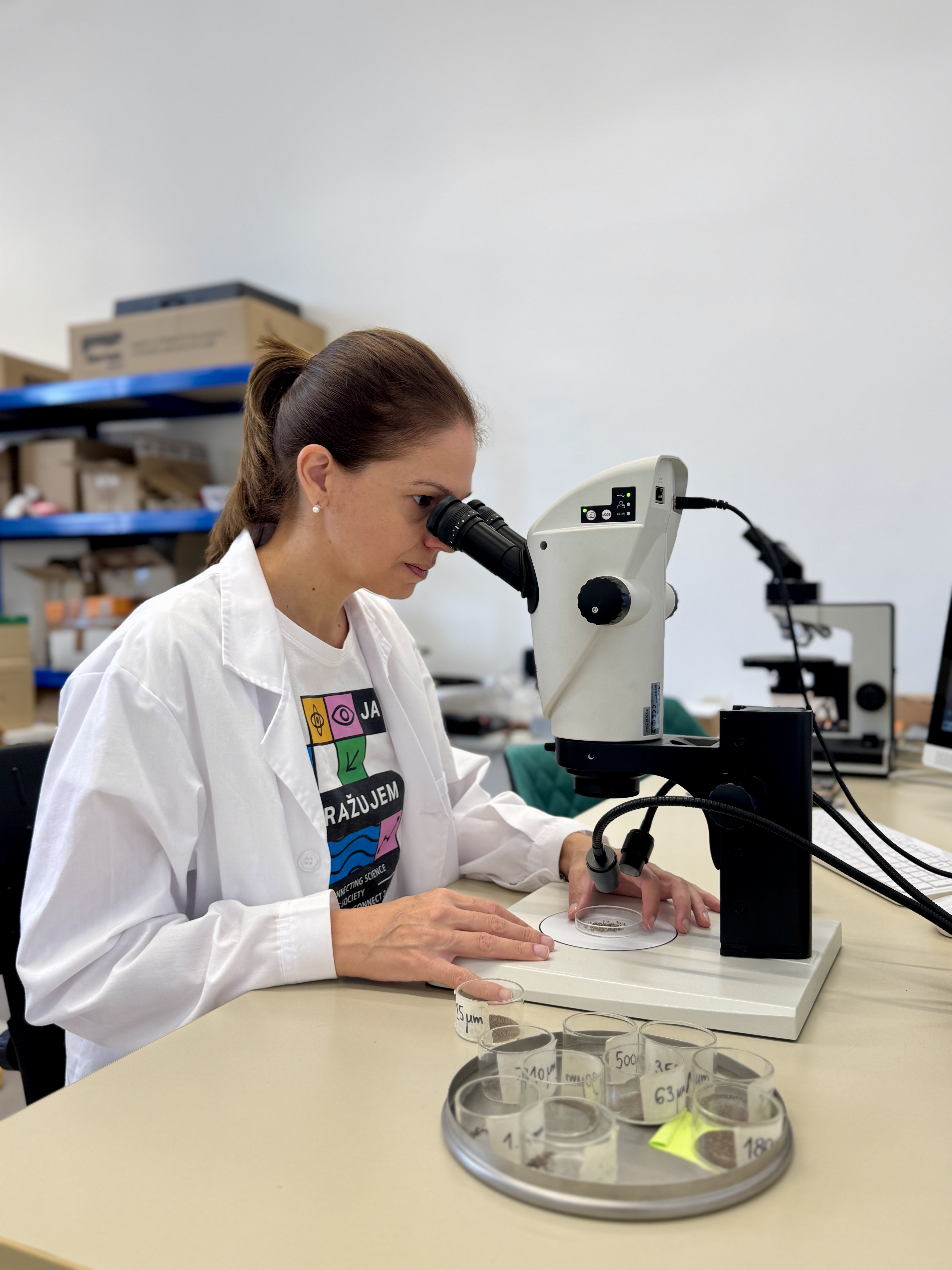
Assistant Professor Katarina Gerometta, PhD, presented the field of geoarchaeology and demonstrated how much valuable information can be discovered in a seemingly ordinary grain of sand. By studying soil and sediment collected at archaeological sites, researchers can reconstruct the characteristics of past environments and gain a better understanding of environmental changes and human impact over time. Each sample begins its journey in the field before undergoing preparation and detailed examination under a microscope.
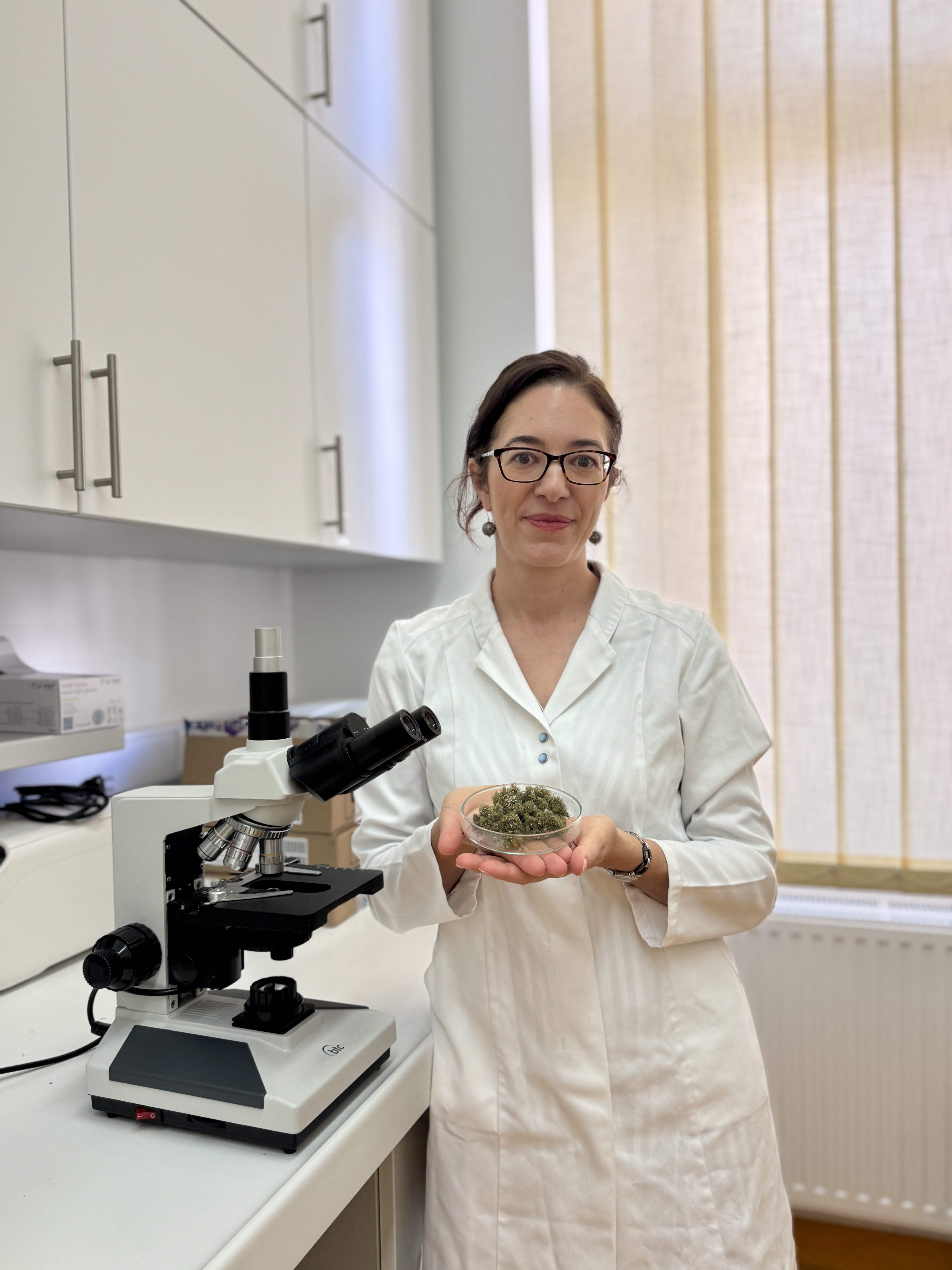
Associate Professor Gioconda Millotti, PhD, introduced us to the world of marine algae. Her research combines biology and chemistry and begins with the collection of samples from the sea. Once the algae have been dried, their active compounds are extracted and analysed in laboratories at the University and at partner institutions. Such research provides valuable insight into the composition and beneficial properties of marine organisms while highlighting the importance of an interdisciplinary and collaborative approach to science.
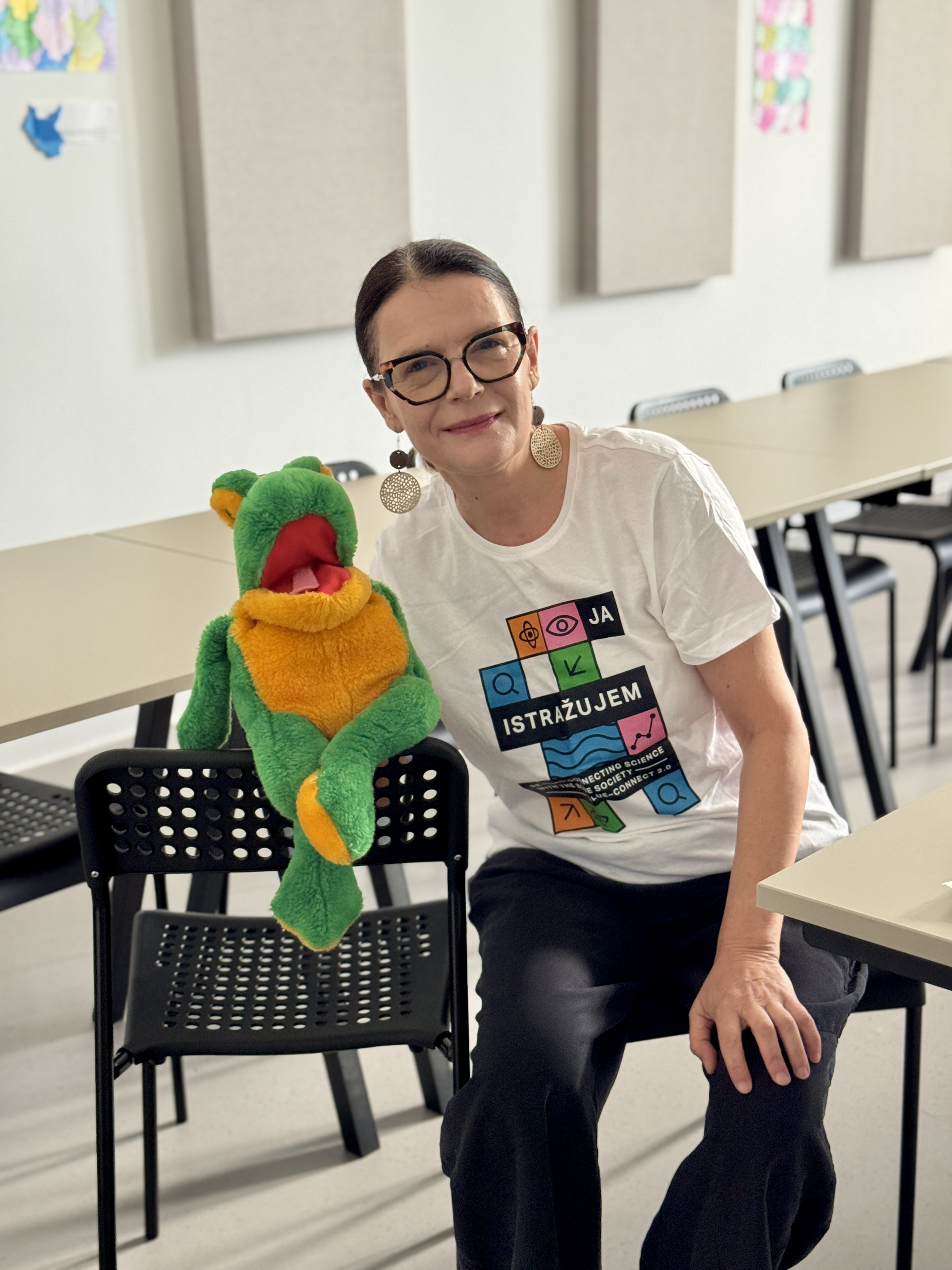
Associate Professor Breza Žižović showed how scientific research and artistic creation can complement one another. A child’s drawing is not merely a spontaneous form of artistic expression; it can also serve as valuable research material. By analysing how children depict people, animals and the world around them, researchers can better understand their perception, imagination and artistic development. Art thus becomes a space for research, communication and new ways of understanding the world.
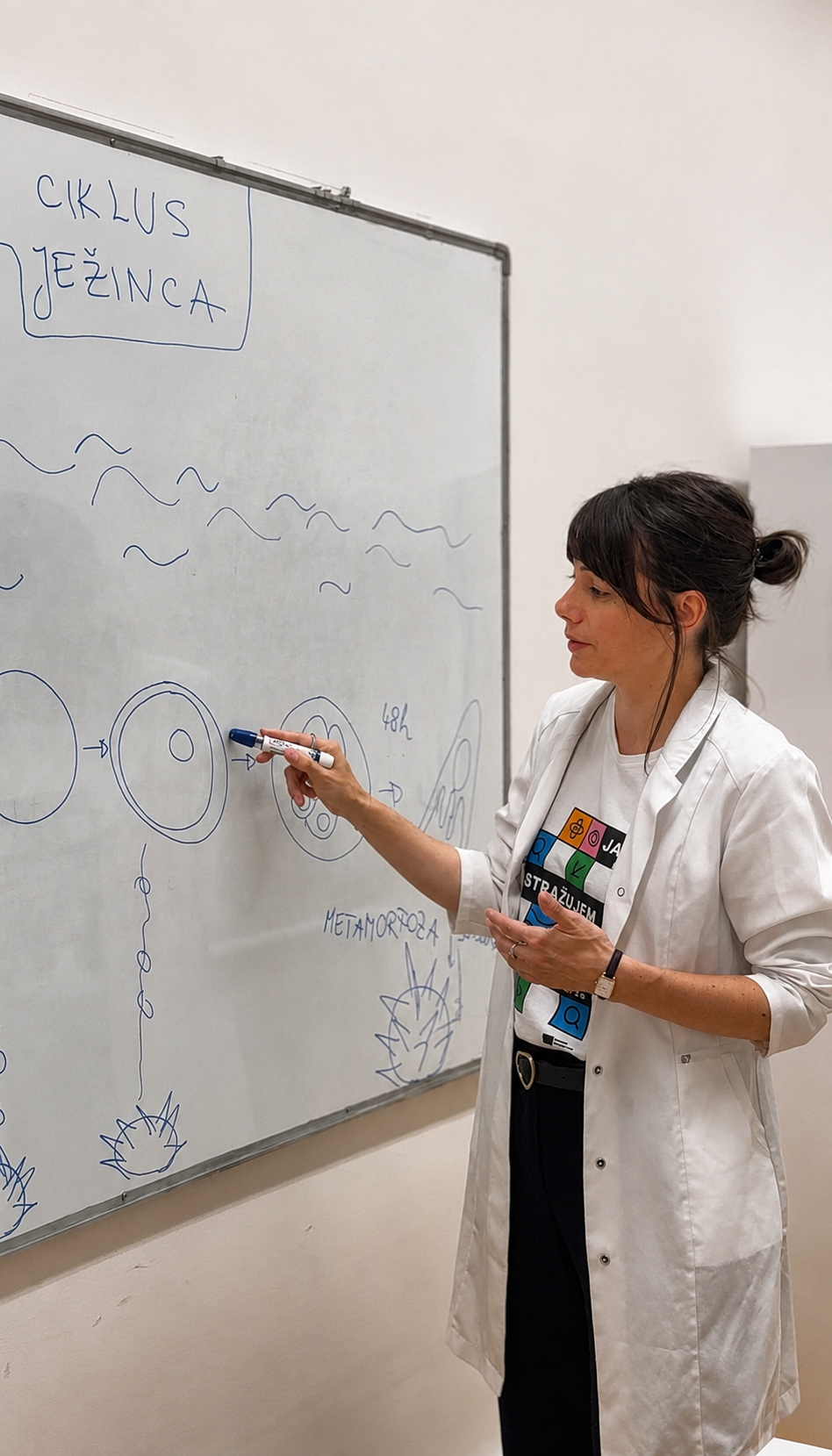
Associate Professor Petra Burić, PhD, presented the hidden world of sea urchins and the species found in the Adriatic Sea. A significant part of her work focuses on their life cycle and earliest developmental stages. Laboratory research is used to monitor the development of fertilised eggs and larvae and to examine how different environmental conditions, such as changes in temperature and pollution, can affect their development. The results of this research provide important information about the state of the marine environment and the consequences of the changes occurring within it.
These examples demonstrate that research can take many forms, but it always begins with curiosity, careful observation and a desire to understand the world. Visitors will have an opportunity to discover science and meet researchers on 25 September, from 5:00 to 10:00 p.m., at the new campus of Juraj Dobrila University of Pula, where European Researchers’ Night will take place as part of the BLUE CONNECT 3.0 project.
Through interactive activities, experiments and direct encounters with researchers, visitors of all ages will be able to discover just how engaging, creative and closely connected to everyday life science can be. We invite everyone to join us, ask questions and explore the hidden worlds of science together.

Juraj Dobrila University of Pula
A: Zagrebačka 30
52100 Pula
Hrvatska
T: +385 52 377 024
E: ured@unipu.hr
W: www.unipu.hr
Studenti: ured-za-studente@unipu.hr
T: +385 52 877 423, +385 52 877 435


